

Nassau County, Long Island Medical Malpractice Lawyer
Nassau County, Long Island medical malpractice lawyer support is available through the Law Firm of Gianni Karmily, where injured patients gain access to a proven track record of results in complex cases. During this difficult time, the firm provides dedicated support and hard work to achieve the best outcome possible. Long Island medical malpractice attorneys represent patients on a contingency fee basis. This contingency basis means clients don’t owe any attorney fees out of pocket unless a plea-bargained settlement or verdict is secured. The firm assists patients and families by reviewing medical records, assessing medical malpractice claims, and coordinating with clinics and medical experts to build strong cases.
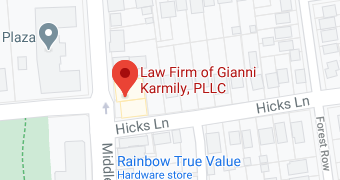
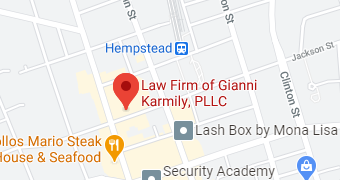
Schedule your free consultation today by calling the Great Neck location at (516) 630-3405 or the Hempstead location at (516) 614-4228.

Long Island Medical Malpractice Law Firm Serving Patients in Hempstead, Freeport, Mineola, Garden City, Long Beach, and Throughout Nassau County
The Law Firm of Gianni Karmily represents medical malpractice victims throughout Nassau County and Suffolk County, including Hempstead, Freeport, Mineola, Garden City, and Long Beach, as well as nearby communities, including Great Neck, Manhasset, Port Washington, Oceanside, Lynbrook, Valley Stream, Hicksville, Levittown, Plainview, and Syosset.
Schedule a free initial consultation to discuss your medical malpractice case with a skilled Nassau County, Long Island medical malpractice lawyer.
What Constitutes Medical Malpractice In New York?
In New York, medical malpractice occurs when a doctor, hospital, nurse, or other healthcare professional fails to provide treatment that meets accepted medical standards of care and a patient is injured as a result. Common examples include misdiagnosis, delayed diagnosis, surgical errors, medication mistakes, and birth injuries.
What Is Medical Negligence?
Medical negligence occurs when a healthcare professional fails to exercise the level of care that a reasonably competent medical professional would provide under similar circumstances. On Long Island, medical negligence may form the basis of a medical malpractice claim when it causes a patient’s injury or death.
Major Nassau County Hospitals and Healthcare Systems
Catholic medical facilities include Mercy Hospital (Rockville Centre) and St. Francis Hospital & Heart Center. Facilities run by Nassau Health Care Corporation (NHCC) include Nassau University Medical Center and A. Holly Patterson Extended Care Facility. NYU Langone Health operates NYU Langone Hospital, and Mount Sinai Health System operates Mount Sinai South Nassau.
Northwell Health System Facilities
- North Shore University Hospital (Manhasset)
- Long Island Jewish Medical Center (New Hyde Park/Lake Success)
- Cohen Children’s Medical Center (New Hyde Park)
- Zucker Hillside Hospital (Glen Oaks)
- Glen Cove Hospital (Glen Cove)
- Plainview Hospital (Plainview)
- Syosset Hospital (Syosset)
- Long Island Jewish Valley Stream (Valley Stream)
Long Island Northwell Health lawsuit attorney Gianni Karmily helps handle medical malpractice cases involving hidden cameras placed in bathrooms at Northwell’s facilities in Great Neck and Manhasset. If you were notified of being recorded or have another personal injury case, contact a Nassau County, Long Island, medical malpractice lawyer for a free case evaluation.
Common Types of Medical Malpractice Claims in Nassau County
Misdiagnosis, Delayed Diagnosis, and Failure to Diagnose
- Failure to diagnose cancer and delayed diagnosis: Missed or late cancer diagnoses often prevent patients from receiving timely treatment, allowing the disease to spread.
- Incorrectly interpreting radiology tests: Negligence in reading X-rays, MRIs, or CT scans can result in a patient’s condition going untreated.
- Lab result mix-ups: Negligence in handling or reporting lab results can result in patients receiving the wrong care or no essential care at all.
- Missed infection cases: When healthcare providers fail to identify infections, they can progress to life-threatening sepsis.
- Cardiovascular misdiagnosis: Failure to diagnose heart attacks, strokes, or other cardiac emergencies puts patients’ lives at risk. Delays in proper treatment often lead to death or irreversible harm.
- Missed neurological conditions: When physicians or staff members ignore or misread symptoms of brain hemorrhages, aneurysms, or multiple sclerosis, patients suffer preventable and catastrophic harm.
When a healthcare provider fails to identify a patient’s condition in a timely manner, a Nassau County, Long Island medical malpractice attorney can help the patient navigate the complexities of their case and recover compensation for the harm.
Surgical Errors and Aftercare Complications
Wrong-body part, wrong-patient, and incorrect operation: When medical professionals operate on the wrong patient, the wrong body part, or perform the wrong procedure, this is gross negligence.
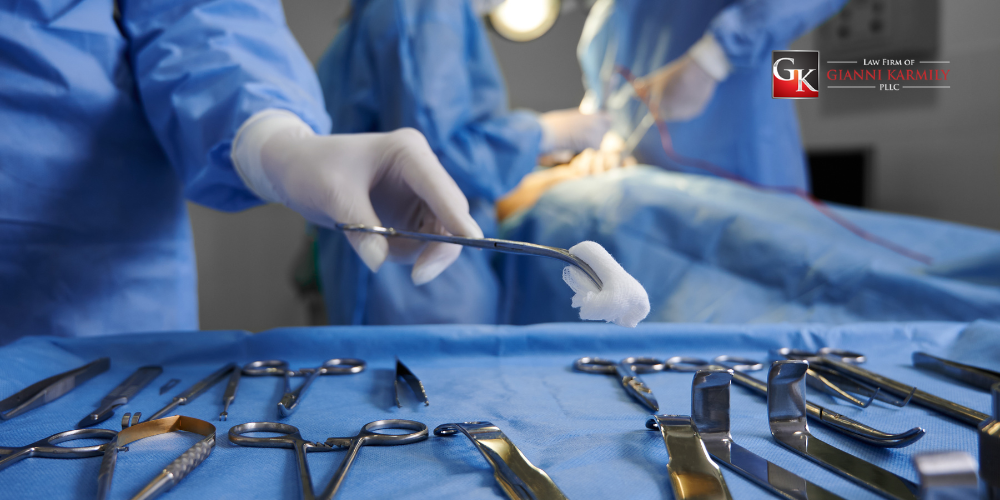
Post-operative infections and inadequate aftercare: Healthcare professionals who neglect infection control or don’t monitor patients after surgical procedures directly cause serious infections and sepsis.
Orthopedic mistakes and hardware issues: Orthopedic surgeons who make surgical errors or fail to notice complications or injuries resulting from them can cause permanent disabilities.
Cardiac procedure complications and deaths: Cardiac physicians and surgical teams who miss bleeding, tamponade, or failed bypasses during or after procedures are responsible when patients die in the OR or in recovery.
Plastic surgery malpractice cases: Plastic surgeons who neglect patient screening, use unsafe anesthesia practices, or perform surgical procedures incompetently are responsible when patients suffer injuries caused by negligent practices. Injuries resulting from plastic surgery often lead to disfigurement or wrongful death.
New York State Never Events
“Never events” are catastrophic medical errors that should never happen. In 2023, New York hospitals reported 1,968 never-event incidents. These included:
- Surgical errors: 125 wrong-site, wrong-patient, and wrong-procedure cases and 91 retained foreign objects.
- Hospital-caused deaths or injuries: 384 falls, 311 maternal, 247 neonatal, 435 accidents unrelated to illness, 55 medication errors, 17 failures to follow up test results, plus smaller numbers from restraints, intraoperative negligence, losing biologic specimens, and MRI accidents.
- Other catastrophic events: 177 suicides/attempts, 30 assaults, 42 sexual assaults, 15 unauthorized discharges, 12 device-related deaths, 13 burns, 2 abductions, and 2 elopements.
Medication Errors
Wrong medication or incorrect dosage: Doctors and nurses who prescribe or administer the wrong medication or the incorrect dosage expose patients to serious injuries or overdoses.
Not looking for drug interactions: Physicians who don’t determine what the patient is currently taking can cause harmful interactions that lead to organ damage, strokes, or fatal reactions.
Pharmacy dispensing: Pharmacists who mislabel prescriptions, confuse drugs, or fail to provide accurate instructions put patients at immediate risk.
Incorrect IV administration: Nurses who set up IV drips incorrectly or push the wrong drug intravenously can cause catastrophic consequences.
Chemotherapy dosing and administration: Oncologists and nurses who miscalculate chemotherapy dosages or use improper administration methods subject patients to toxic overdoses or ineffective care.
Pediatric medicine calculation: Prescribing or administering the wrong dosage can cause overdoses, seizures, brain damage, or death.
Medication mistakes are among the most dangerous forms of medical negligence, particularly for pediatric patients. This often causes permanent harm or death. If you or a loved one sustained serious injuries because a physician or pharmacist was negligent, contact a Nassau County, Long Island medical malpractice lawyer for a free consultation to discuss your medical malpractice claim.
Birth Injuries and Obstetric Malpractice
Cerebral palsy: When doctors don’t monitor fetal distress or delay intervention, babies can sustain brain damage from lack of oxygen. This often results in cerebral palsy.
Erb’s palsy and brachial plexus injuries: Improper use of forceps, vacuum extractors, or excessive pulling during delivery can tear or stretch the brachial plexus nerves, leaving newborns with permanent arm weakness or paralysis.
Not performing a timely C-section: Doctors who ignore warning signs endanger mothers and babies. Delaying C-sections can cause oxygen deprivation, strokes, and death.
Medication negligence during pregnancy, labor, and delivery: Prescribing dangerous drugs or delivering the wrong dosage to pregnant women or during labor exposes mothers and babies to preventable harm.
Maternal injuries and deaths during childbirth: Healthcare providers who don’t control bleeding, monitor vital signs, or respond quickly to preeclampsia are liable when mothers suffer injuries or death.
NICU and premature infant care malpractice: NICU nurses and physicians who mishandle ventilators, miss infections, or miscalculate IV nutrition can cause permanent injury or death.
Anesthesia Mistakes
Anesthesiologists are generally financially very well compensated because they must guarantee accuracy. When anesthesiologists give the wrong anesthesia or dosage, don’t monitor breathing and oxygen levels, or ignore the onset of symptoms during surgery, they can cause permanent brain injuries, strokes, or death. Almost every adverse event related to anesthesia is preventable, and when anesthesiologists don’t meet the standard of care, they can be held accountable.
Urgent Care and Emergency Room Malpractice Cases
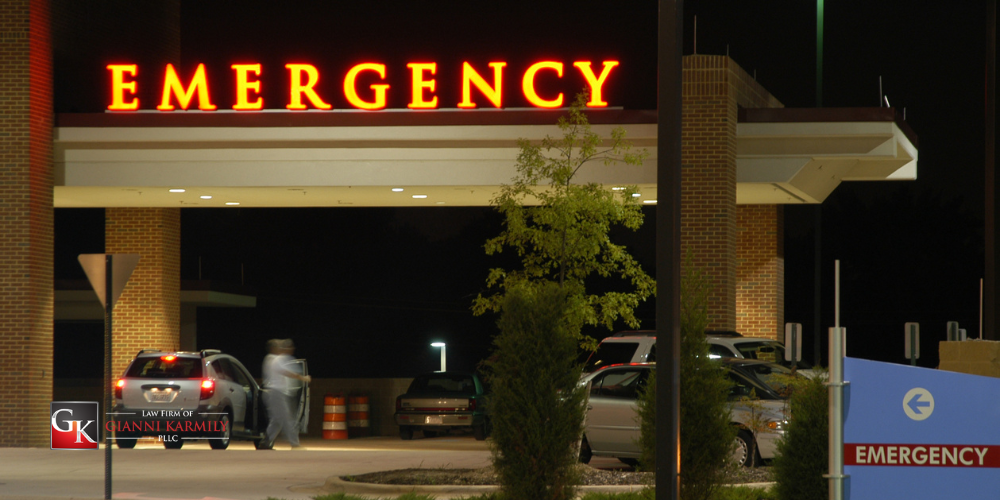
Misdiagnosis of heart attacks and strokes: Emergency physicians who dismiss symptoms put patients at risk of death.
Failure to properly triage critical patients: ER staff who don’t prioritize patients with medical emergencies cause dangerous delays. Improper triage leads to preventable injuries and fatal outcomes.
Medication errors in emergency settings: Giving the wrong prescription, mixing up dosages, or not checking for allergies in the ER can cause seizures, cardiac arrest, or death.
Delayed treatment of time-sensitive conditions: When healthcare providers delay interventions for trauma, sepsis, stroke, or cardiac arrest, patients lose critical chances for recovery.
Discharging patients who need admission: Sending home patients who should be admitted is extremely reckless and is often grounds for gross negligence claims.
Failure to obtain proper informed consent: Outside of emergencies, doctors must clearly explain the risks, benefits, and alternatives to patients. Failing to do so can result in liability when adverse outcomes occur.
Medical Negligence in Treating Patients, Follow-Ups, and Referrals
Doctors who fail to provide appropriate care or disregard test results can be held liable for injuries resulting from this negligence. This also applies to physicians who don’t arrange adequate follow-up care. Additionally, in some medical malpractice cases, physicians refuse to refer a client’s case to specialists, despite clear indications they’ve missed something.
Speak with an experienced Nassau County, Long Island malpractice lawyer to determine if you have grounds to pursue a legal claim.
Wrongful Death
When negligence leads to a patient’s death, New York Estates, Powers and Trusts Law § 5-4.1 allows the decedent’s personal representative to bring a wrongful death action. Only the estate’s representative may file a lawsuit on behalf of surviving family members. Families must show a departure from accepted medical standards, which directly caused their loved one’s death. Medical malpractice lawsuits involving wrongful death can cover funeral and burial costs, prior medical costs, loss of financial support, and other losses to help families move forward.
If you’re dealing with the loss of a loved one, a Nassau County, Long Island medical malpractice wrongful death attorney can investigate, establish negligence, and fight for justice and compensation.
New York’s Medical Malpractice Law Framework
Medical Malpractice Statute of Limitations NY
For New York medical malpractice cases, the statute of limitations is typically two years and six months from the date of the alleged act or omission. However, there are several New York malpractice statute of limitations exceptions:
Under the state’s continuous treatment doctrine, if a patient continues being treated by the same doctor or facility for the same medical condition, the time limit doesn’t begin until the treatment ends.
If materials or tools are accidentally left inside the body, the patient can pursue a medical malpractice claim within one year of discovering the object or when it should have reasonably been discovered, even if the time limit has passed. However, it’s unclear whether this discovery rule overrides the 10-year cap set by the infancy toll. In Walton v. Strong Memorial Hospital, the state court of appeals stated: “We have no occasion to consider and express no opinion about the interplay of CPLR 208 and CPLR 214-a in a case involving a foreign object left in an infant after surgery and discovered more than 10 years later.”
The discovery rule for cancer and malignant tumor missed diagnosis claims falls under Lavern’s Law in New York. Patients (and families in wrongful death cases) have two years and six months from the later of either the date of the last treatment or when the medical condition was discovered, but no more than seven years after the medical malpractice occurred.
For minors, the statute is tolled until they turn 18. After this, they’re subject to the standard time limit. However, under the infancy toll, children’s medical malpractice claims must still be filed within ten years from when the malpractice occurred. For example, if children are harmed at birth, parents must take legal action on their behalf within ten years. If not, the birth injury victims have no options for recovery, despite being minors.
For claims against public hospitals, like Nassau University Medical Center (NUMC) or A. Holly Patterson Extended Care Facility, victims must file a notice of claim within 90 days after the medical malpractice occurred or the continuous treatment ended. Medical malpractice lawsuits against public facilities must be brought within one year and 90 days. For minors or incapacitated victims, courts may allow extensions. However, they must seek permission to serve a late notice of a claim.
Wrongful death claims generally have two years and six months from the date of death. However, this only applies if legal action could have been taken on behalf of the deceased before their death.
New York Medical Malpractice Cap
Our state has no caps for medical expenses, lost wages, or pain and suffering.
Under CPLR Articles 50-A and 50-B, if recovery for future expenses exceeds $250,000, the award is structured into periodic payments rather than a lump sum.
CPLR § 4545 allows defendants to request recovery reductions if the victim’s losses are covered by collateral sources, like insurance, Social Security, or disability benefits.
What Must Be Proven To Win A Medical Malpractice Suit In New York?
To win a medical malpractice lawsuit in New York, a plaintiff generally must prove that a doctor, hospital, or healthcare professional deviated from the accepted standard of medical care and that the deviation caused harm. Most cases require expert medical testimony to establish both the standard of care and its departure

How the Percentage of Fault Affects Medical Malpractice Claims
Under CPLR § 1411, if the patient is partly at fault (for instance, not following their doctor’s orders), their award is reduced by their percentage of fault, but they can still recover compensation even if they were mostly responsible.
When more than one party is sued (for example, a doctor and a hospital), the jury determines the amount of blame each party deserves.
If defendants are 50% or less at fault, they only pay for their share of fault. For example, if non-economic damages, such as emotional distress, are $1,000,000 and a doctor is 30% at fault, that doctor owes $300,000.
If defendants are more than 50% at fault, they may have to pay the entire amount. For example, if the hospital is 70% at fault, it could be held responsible for the full $1,000,000, even if the patient was 30% at fault.
However, all medical professionals can be held accountable for the full amount of economic damages, regardless of their percentage of fault. For instance, if medical bills are $2,000,000, a hospital that is 10% liable may owe the full $2,000,000 if the doctor can’t cover their share.
For medical malpractice claims involving multiple parties’ negligence, you’ll need experienced medical malpractice lawyers in Nassau County, Long Island, who can not only prove medical malpractice but also ensure that medical doctors and medical institutions compensate you fairly. In many cases, insurance companies will attempt to shift blame between healthcare professionals to reduce exposure.
Without strong legal representation, one medical professional may escape full accountability while the medical malpractice victim is undercompensated. Skilled Nassau County, Long Island medical malpractice lawyers ensure that doctors and medical institutions deliver what you deserve and that you receive full and just compensation regardless of how responsibility is divided.
Expert Medical Witness: New York Requirements
The state implements standards for those who give expert advice in medical malpractice cases:
- They must be a licensed physician or a qualified healthcare provider with extensive training in the same practice area or a closely related specialty as the healthcare professional.
- Their testimony must demonstrate they’re knowledgeable about the accepted standards of care at the time of the event. They must testify that they’d do something different if presented with the same circumstances and must connect the departure from the accepted standards of care directly to the plaintiff’s injury. Without such expertise and connections, courts won’t allow testimony or will dismiss the case.
Experienced medical malpractice attorneys on Long Island often consult with physicians who have relevant expertise, hospital administrators, biomedical engineers, and life care planners for catastrophic personal injury cases.
Frye Standard vs Daubert Ruling
New York State follows the Frye standard, not the Daubert ruling. The Frye standard permits the admission of testimony if the scientific method or principle is generally accepted among other medical professionals. Judges don’t weigh testing or error rate factors but instead focus on the consensus within the medical profession.
Certificate of Merit Requirements
At the time of filing, the patient’s personal injury attorney must file the complaint and certify that a licensed physician or medical expert has examined the factors and believes the medical malpractice claim is valid. If the law office was unable to do so before filing, they must explain why. Then, they are generally given 90 days to serve the certificate of merit. Failing to complete this step can lead to dismissal.
Exceptions to the New York certificate of merit laws include:
- If another’s negligence is so obvious that it can be inferred. This is known as Res Ipsa Loquitur in New York. For example, this can happen when surgeons accidentally leave objects inside patients’ bodies.
- If healthcare providers withhold records, medical malpractice attorneys on Long Island can file complaints without consulting medical experts.
- If the statute of limitations is about to expire and there isn’t enough time to secure an expert analysis, the attorney can file, but must provide the certificate within 90 days.
Financial Compensation for Injured Patients on Long Island
An experienced medical malpractice attorney in Nassau County, Long Island, can seek damages on behalf of the client’s case. These are intended to recover money lost due to another’s negligence.
In medical malpractice cases, economic damages can include:
- Past and future medical expenses
- Lost income and diminished earning capacity
- Rehabilitation and therapy expenses
- Home care and nursing assistance needs
- Medical equipment and modification expenses
In medical malpractice cases, non-economic damages can include:
- Pain and suffering
- Loss of enjoyment of life or reduced quality of life
- Emotional distress and mental anguish
- Loss of consortium and companionship
- Disfigurement or scarring
- Parental loss of services for children
Punitive Damages in New York Medical Malpractice Cases
New York’s medical malpractice laws permit the award of punitive damages in certain medical malpractice cases. These are awarded when personal injury lawyers can prove a healthcare provider’s conduct is willful, wanton, reckless, or shows a disregard for patient safety. These are meant to punish negligent medical professionals and deter similar conduct, rather than to pay for the patient’s condition.
Is It Worth Suing For Medical Malpractice In New York?
Whether it is worth suing for medical malpractice depends on the severity of the injury, the cost of medical care, lost wages, future medical care needs, and other financial losses. Because medical malpractice cases are often complex and expensive to litigate, attorneys typically evaluate whether the potential recovery justifies pursuing a claim.
Contacting a medical malpractice attorney is the best way to determine if you should pursue compensation.
Other Healthcare Issues That Nassau County, Long Island Medical Malpractice Lawyers Can Help With
Healthcare Quality Concerns
- High infection rates and poor safety grades in healthcare facilities can point to systemic neglect and provide grounds for medical malpractice lawsuits.
- Patients may be harmed by doctors who have prior disciplinary records or licensing problems that were overlooked.
- Delays in overcrowded emergency rooms can result in missed diagnoses, untreated conditions, or preventable outcomes.
- A shortage of staff members, from technicians to nurses, often leads to patient care lapses.
Demographics and Outcome Disparities in Medical Care
- When patients cannot fully understand instructions or consent forms, miscommunication can lead to medical malpractice cases.
- Healthcare providers who ignore cultural needs or fail to adapt medical care may make mistakes that cause avoidable harm.
- Limited resources and delayed treatment in certain areas contribute to higher risks of negligence.
Additionally, many medical malpractice claims arise from staff members discharging patients before they are stable enough. This typically occurs when insurance companies deny coverage and medical professionals fail to uphold the acceptable standard of medical care.
If you or a loved one were denied care or discharged too early, you may be entitled to just compensation. Contact a Nassau County, Long Island malpractice attorney for a free consultation today.
What To Do If You Suspect Medical Malpractice in Nassau County, Long Island?
Here are the steps to take if you suspect you’re a victim of medical negligence:
- Obtain copies of medical records
- Note symptoms, medical conditions, and ongoing issues
- Get second opinions from other medical professionals
- Follow through with prescribed rehabilitation or therapy programs
- Preserve any evidence you have
- Contact a skilled Nassau County, Long Island medical malpractice attorney
Legal Process Overview
- Initial case investigation, medical history, and medical record review
- Expert evaluation
- Filing the complaint and certificate of merit
- Discovery process, including depositions and document production
- Settlement negotiations or trial preparation
How Nassau County, Long Island Medical Malpractice Lawyers Can Help
Negotiate Settlements with Malpractice Insurance Companies
When negotiating settlements with insurance companies, attorneys must build cases that demonstrate the four elements of negligence: duty, breach, causation, and damages. Insurance companies often minimize payouts by disputing one or more of these. Knowledgeable legal assistance ensures that insurers receive the necessary pressure to settle fairly.
If you need a skilled Nassau County, Long Island medical malpractice lawyer to help seek justice and financial compensation by skillfully negotiating, contact the Law Firm of Gianni Karmily for a free initial consultation.
Legal Representation in Trials
In trials, a medical malpractice attorney in Nassau County, Long Island, will present strong cases on behalf of injured patients. This includes gathering evidence and records, hiring medical experts, and proving how the physician’s, nurse’s, or facility’s breach of duty caused harm. They challenge the defense. Experienced malpractice lawyers on Long Island also help jurors understand complex medical issues, tying them directly to the four elements: duty, breach, causation, and damages.
An experienced trial attorney fights to secure verdicts that reflect the full extent of the patient’s injuries, including medical bills, lost wages, and pain and suffering.
Long Island Medical Malpractice Case FAQ
What are the Most Common Types of Medical Malpractice on Long Island?
Common types of medical malpractice on Long Island include misdiagnosis, delayed diagnosis, surgical errors, medication mistakes, birth injuries, anesthesia errors, emergency room errors, and failure to properly treat a medical condition. These mistakes can lead to serious injuries, additional medical expenses, and long-term complications.
How Does Informed Consent Affect a Medical Malpractice Suit on Long Island?
Informed consent directly impacts medical malpractice cases because New York’s medical malpractice laws require doctors to clearly explain the risks, benefits, and treatment alternatives to patients. When patients are injured by undisclosed risks, the lack of informed consent can be grounds for a malpractice suit.
How Much Compensation Will I Get for Medical Negligence on Long Island?
Compensation for medical negligence depends on the injury’s severity, medical costs, lost income, pain and suffering, and future medical expenses. Every case is evaluated individually, and settlements or awards are based on the damages proven.
How Long Do I Have To File A Medical Malpractice Lawsuit In New York?
In most cases, New York medical malpractice lawsuits must be filed within two years and six months (30 months) of the alleged malpractice. However, exceptions may apply in certain circumstances, including cases involving the delayed discovery of foreign objects left in the body or continuous treatment. Because filing deadlines are strictly enforced, it is important to speak with a medical malpractice attorney as soon as possible.
Can I Sue A Hospital For Malpractice In New York?
Yes, patients or their families can sue hospitals for medical malpractice when its employees provide negligent care or when the hospital’s own actions contribute to a patient’s injury or death. Whether a hospital can be sued depends on the facts of the case and the relationship between the hospital and the healthcare provider involved.
How Do I Find A Medical Malpractice Lawyer Near Me?
When searching for a medical malpractice lawyer, look for an attorney with experience handling complex medical negligence cases, access to qualified medical experts, and a history of dedicated representation.
Contact a Nassau County, Long Island Medical Malpractice Attorney From the Law Firm of Gianni Karmily For a Free Consultation
If you or a loved one has been harmed by negligent care in Nassau County, Gianni Karmily can help you secure trusted support and pursue damages. With a contingency fee basis, there are no attorney fees unless compensation is recovered, ensuring you face no out-of-pocket costs.
To schedule a free case evaluation, please call the Great Neck location at (516) 630-3405 or the Hempstead location at (516) 614-4228.