

New York adopted the first U.S. law against driving while intoxicated (DWI) in 1910. If you’re charged with driving while intoxicated on Long Island or in New York City, you’re still going to need legal help from the right Nassau County DWI attorney.
New York aggressively enforces its DWI laws. Former governor Andrew Cuomo has stated that “New York State has zero tolerance for driving under the influence and for the needless tragedy that it causes.”
DWI Charges in New York
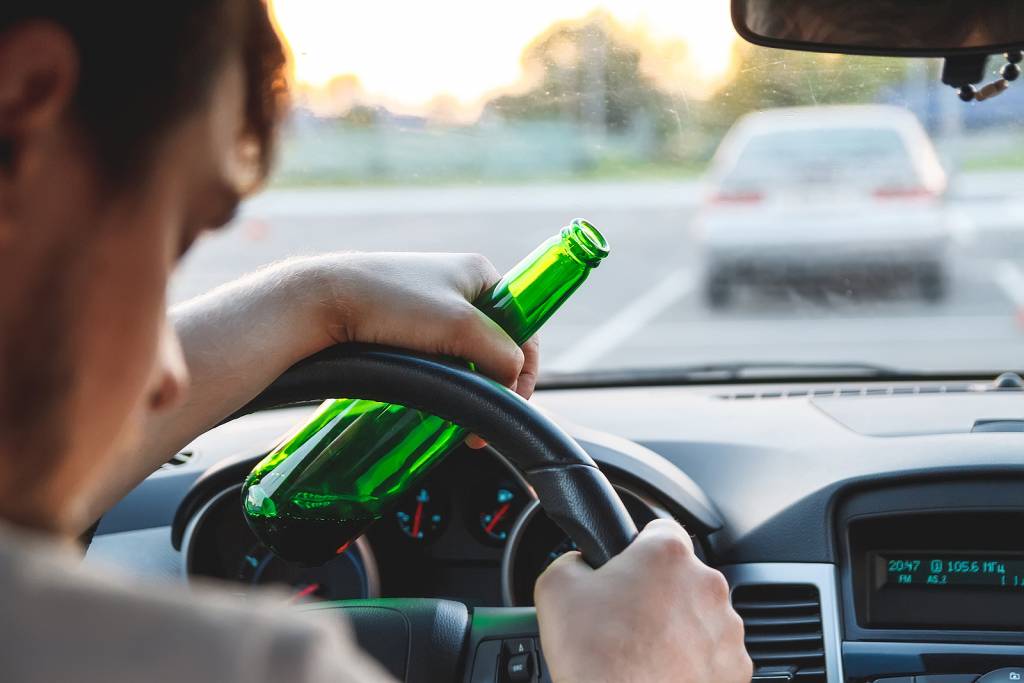
Intoxicated driving charges in the state of New York include DWAI (driving while ability impaired), “standard” DWI, and “aggravated” DWI. If you drive in this state with a blood alcohol content (BAC) level at or above 0.08 percent, you may be charged with a “standard” DWI.
The at or above 0.08 percent BAC level applies to most drivers 21 and over, but if a driver is below 21 years old, at or above 0.02 percent BAC is the level. If you hold a commercial driver’s license, at or above 0.04 percent BAC is the level.
But if you drive with a BAC level at or above 0.18 percent – more than twice the limit – you may face an “aggravated” DWI charge. DWI charges escalate from a misdemeanor to a felony if a driver suspected of DWI was stopped with a passenger who is 15 years of age or younger (Leandra’s Law) or it is second alcohol/drug related conviction within ten years of a first conviction.
When a motorist’s BAC level measures between 0.05 percent and 0.07 percent, or if a motorist is impaired by drugs other than alcohol, the charge is (DWAI) driving while ability impaired.
What Are The Penalties For DWI And Aggravated DWI?
DWI NY First Offense
Penalties for “standard,” first-offense DWI convictions in New York can include up to 364 days in jail, a $1,000 fine, and a revocation of your driver’s license for at least six months.
For a driver’s first conviction for “aggravated” DWI, penalties may include up to 364 days in jail, a $2,500 fine, and a revocation of your driver’s license for a minimum of one year.
DWI NY Second Offense
For a second “standard” DWI conviction within ten years of a first conviction, the penalties may include a maximum term of four years in prison, a $5,000 fine, and a revocation of your driver’s license for at least one year.
Another aggravated DWI conviction within ten years of the first is punishable with up to four years in prison, a $5,000 fine, and a revocation of your driver’s license for a minimum of eighteen months.
DWAI Penalties NY
Driving while ability impaired – DWAI – is charged in several different ways in New York: driving while ability impaired by alcohol and driving while ability impaired by drugs.
If a motorist’s BAC level measured 0.05 to 0.07 percent, the driver may be charged with DWAI-alcohol. A first conviction for a DWAI-alcohol may be penalized with a fifteen-day jail, a $500 fine, and a suspension of your driver’s license for ninety days.
DWAI-alcohol is an infraction – it’s not considered a “crime” – although the penalties are similar to DWI penalties. DWAI with drugs is always considered a crime, as explained below.
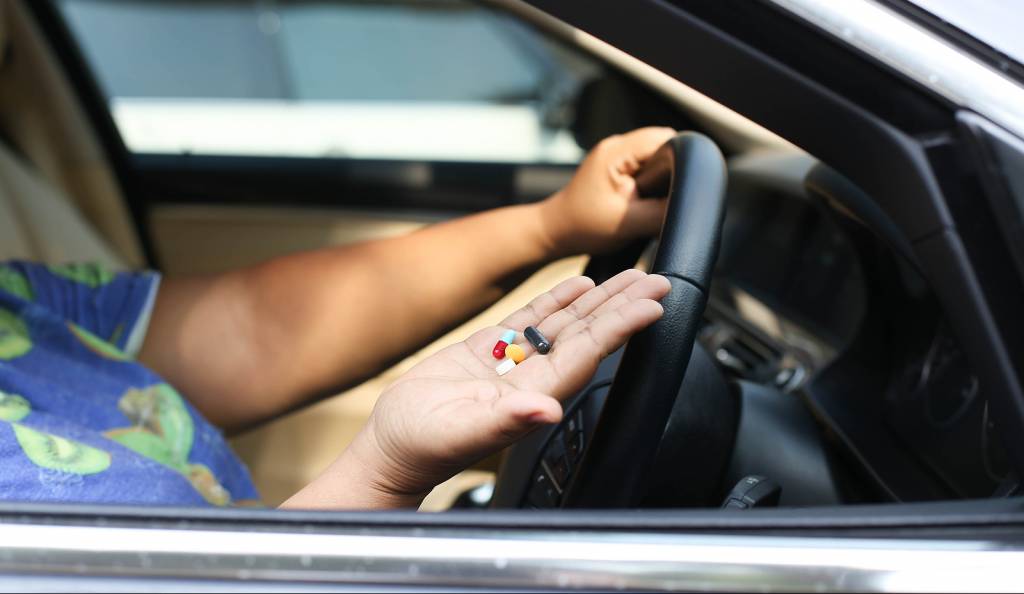
Driving While Ability Impaired by Use of Drugs in New York
If a driver operates a vehicle while influenced by drugs other than alcohol, the charge is DWAI-drugs. A driver’s first conviction for DWAI-drugs may be penalized with up to 364 days in jail, a fine of $1,000, and a driver’s license revocation for at least six months.
A second conviction for DWAI-drugs within ten years of the first may be penalized with up to four years in prison, a fine of up to $5,000, and a revocation of your driver’s license for a minimum of one year
What Are The Repercussions Of A DWI or DWAI Guilty Plea Or Conviction?
A DWI, aggravated DWI, or DWAI charge can be contested, and those who fight such charges are frequently successful. A guilty plea may mean jail, probation, a conviction, a criminal record, and at least minimum penalties.
A guilty plea to any of these charges also invariably means higher auto insurance costs. If you drive for a living, or if driving is essential to your work, you may have difficulty finding or maintaining employment.
If you are not a US citizen and reside in the state of New York, a conviction for DWI, DWAI, or aggravated DWI may put you at risk for deportation. If you are a professional in New York, you can expect your professional licensing board to take disciplinary action after a conviction.
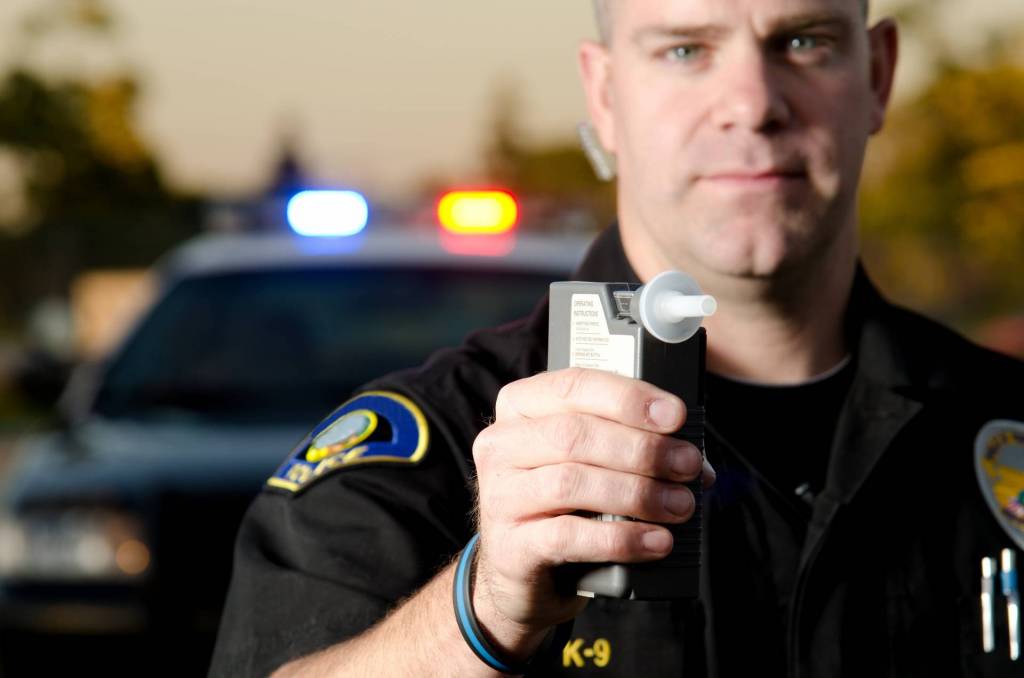
Can You Refuse a Breathalyzer Test in New York?
If you are stopped by a law enforcement officer who suspects that you are driving while intoxicated, handle your situation slowly and politely. Pull over quickly and safely, and leave plenty of space between your vehicle and moving traffic.
The officer will probably ask to see your license and registration but don’t reach for those documents until you are asked. Be polite and friendly, but exercise your rights. It’s fine to say, “I prefer to exercise my right to remain silent.”
Simply by driving in New York, you have “implied” your consent to breathalyzer testing if you’ve been taken into custody. Refusing to take the test after being arrested will trigger a driver’s license revocation for at least one year and a $500 fine. For commercial drivers, refusing to take the test after being arrested will trigger a driver’s license revocation for at least 18 months and a $550 fine.
How a Nassau County, Long Island DWAI Defense Attorney Can Help
That’s the basics about DWI in New York. In some cases, the right DWI lawyer will be able to have the reduced or even dismissed in some scenarios. On the other hand, if evidence of your guilt is overwhelming, your lawyer will ask for an alternative sentencing.
Of course, you can avoid all this DWI trouble simply by adhering to the old advice – Don’t Drink and Drive. If you plan to share a few drinks with friends, arrange transportation in advance or plan to stay the night.
Most rides-for-hire in New York City and Long Island are available 24/7: limos, taxis, Lyft, and Uber. If you name a designated driver, it needs to be someone that you trust with your life because that’s what you’ll be doing.
But if you make a mistake or a bad judgment call, and if you are charged with DWI, get legal help at once. The right Nassau County DWI attorney will aggressively fight for justice, protect your rights, and bring your DWI case to its best possible resolution.
To schedule a confidential case evaluation with the Law Firm of Gianni Karmily, PLLC, call our Great Neck office at (516) 630-3405 or our Hempstead office at (516) 614-4228.